Cement’s Road to Decarbonization 

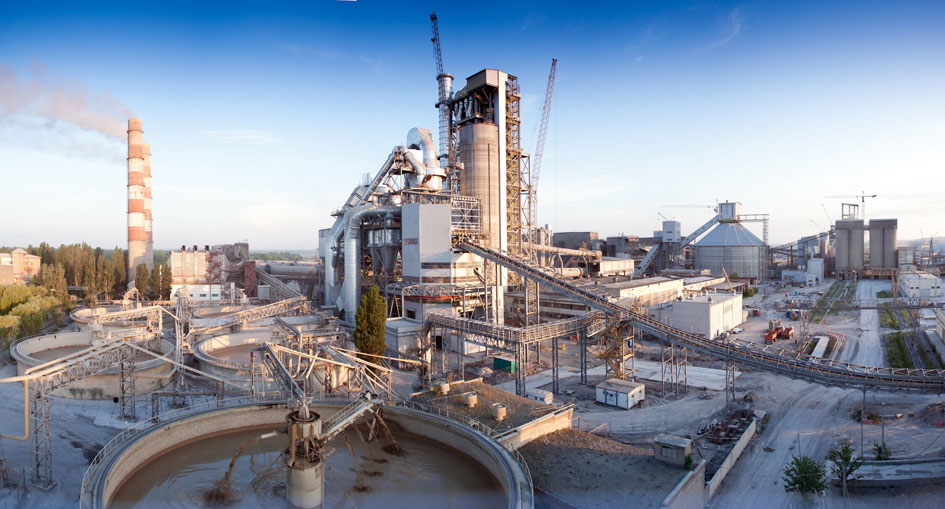
The Road Runs Through Carbon Capture Powered by Integrated Electrification, Automation and Digital Systems By Devan Pillay Cement is one of the hardest industries in the world to decarbonize, accounting for nearly 8% of global CO₂ emissions. Around 60% of these emissions come from the calcination of limestone itself, rather than from burning fuel. Efficiency, alternative fuels and electrification can…

Read More

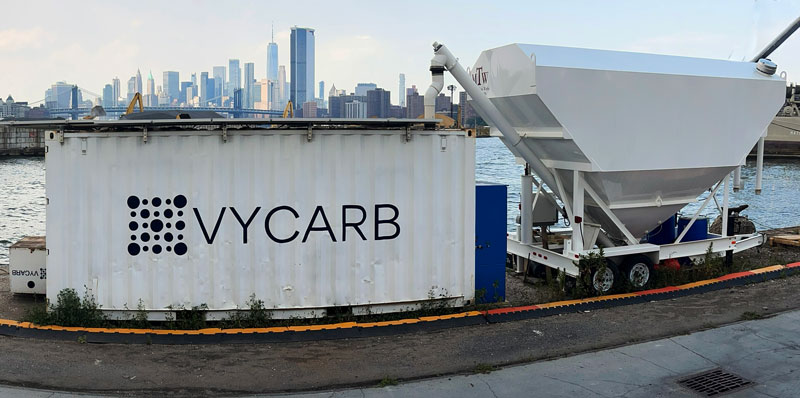
Vycarb Proves Ocean-Bound Water Flows’ Carbon Capture, Storage Potential

The carbon capture and storage demonstration has proceeded under the Brooklyn Navy Yard Development Corporation Yard Labs program.

A Brooklyn, N.Y.-based startup is conferring with cement producers on prospective demonstration of a process capturing and storing carbon dioxide from plant emissions. Vycarb has pioneered a novel approach to permanently sequester CO₂ from industrial source points in proximity to rivers or water flows reaching ocean outfalls. A reactor at the heart of the Vycarb process uses naturally occurring calcium-…

Read More

Clay Processing for the Cement Industry

Dr. Allistair Wilkinson

The cement industry is responsible for approximately 8% of total global CO2 emissions annually. This is largely due to high temperature processing of limestone as the main raw material in the production of clinker. Clay, typically shale, can also account for approximately 10% of the raw material used in cement production, providing important chemical compounds necessary for producing high-quality clinker.…

Read More

National Cement Secures DOE Commitment for Lebec Net Zero

National Cement Company of California Inc. and the U.S. Department of Energy (DOE) Office of Clean Energy Demonstrations have entered a cooperative agreement under which the agency commits up to $500 million for the Lebec Net Zero (LNZ) project at the producer’s operation north of Los Angeles.

Read More

The Latin American Cement Industry Invests to Reduce CO2 Emissions

By Mauro Nogarin Argentina, Brazil, Mexico and Peru are the Latin American countries that have seen the most investments in technology and equipment to reduce CO2 emissions in the cement industry. Some cement companies continue to replace fossil fuels, while others have chosen to replace the kilns of their current infrastructures. However, companies that produce their own raw materials in…

Read More

CTS Cement Works With EPA on Secondary Aluminum Processing Waste Project

While recycling aluminum greatly enhances the sustainability of products in aerospace, automotive, beverage can, and other markets, black dross and salt cake waste byproducts of the recycling process cause an environmental challenge especially when stored in landfills, according to a report from the Environmental Protection Agency (EPA). As the domestic aluminum recycling industry grows at a rapid pace due to…

Read More

Mitchell Milestone

Nestled In Limestone-Rich Indiana, A New Flagship Plant Leaves No Doubt That Heidelberg Materials North America Is All In On Negating Carbon Dioxide Emissions. By Don Marsh On a scale of new clinker capacity – and environmental metrics tuned to carbon-minded market and regulator sentiments – no North American and few cement plants globally will match Heidelberg Materials’ rebuilt Mitchell,…

Read More
1 2